
Food That Supports Recovery and Long-Term Health
How simple nutrition choices can reduce inflammation, improve energy, and support healing.
Food isn’t just about calories. It’s information for your body. The foods you eat influence inflammation, recovery speed, energy levels, and even how well your body responds to stress.
Many people try complicated diets that are difficult to maintain. The truth is that sustainable health improvements often come from simple, consistent food choices that support your metabolism and recovery.
Below are practical principles that can help you build meals that work with your body rather than against it.
Focus on Protein First
Protein plays a key role in recovery, muscle maintenance, and metabolic health. It also helps stabilize blood sugar and keeps you feeling satisfied longer.
Most people benefit from including protein in every meal.
Examples of high-quality protein sources include:
Eggs
Fish such as salmon or sardines
Chicken or turkey
Greek yogurt
Beans and lentils
Lean cuts of beef
Protein is especially important for individuals recovering from surgery, managing metabolic conditions, or working to maintain strength as they age.
Choose Anti-Inflammatory Foods
Chronic inflammation can affect energy levels, recovery, and long-term health markers.
Certain foods naturally support the body’s ability to regulate inflammation.
Helpful foods include:
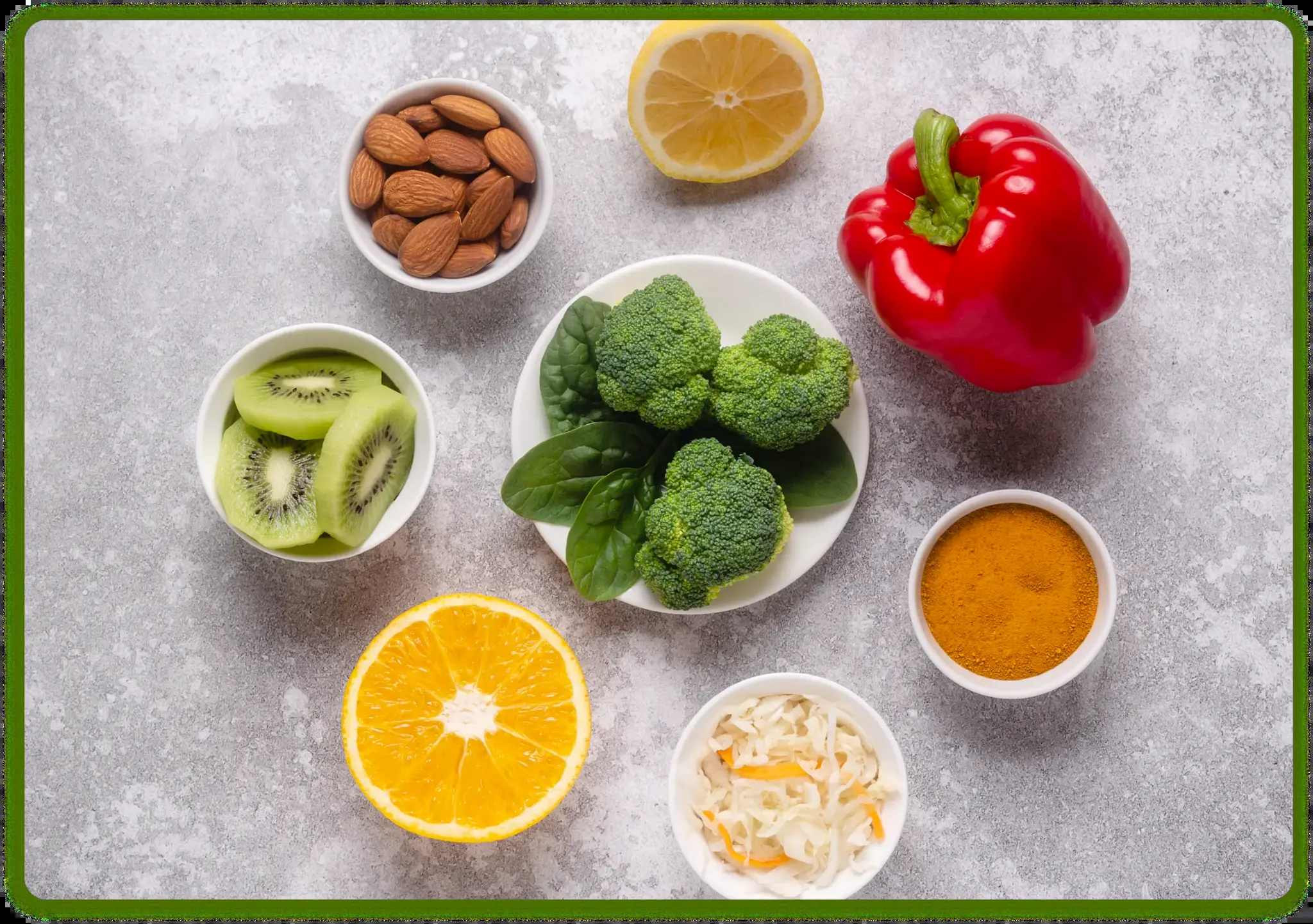
Leafy greens like spinach and kale
Colorful vegetables such as peppers and carrots
Berries
Olive oil
Nuts and seeds
Fatty fish rich in omega-3 fatty acids
A good rule is simple: the more natural color on your plate, the better.
Reduce Highly Processed Foods
Highly processed foods often combine refined carbohydrates, unhealthy fats, and additives that can disrupt metabolic balance.
Common examples include:
Sugary drinks
Packaged snack foods
Ultra-processed desserts
Fast food eaten frequently
You don’t need to eliminate these foods completely, but reducing them can significantly improve energy levels and metabolic markers over time.
Build Balanced Meals
A simple way to structure meals is the balanced plate approach:
½ plate vegetables
¼ plate protein
¼ plate whole carbohydrates (such as rice, quinoa, or potatoes)
Healthy fats such as olive oil, avocado, or nuts
This approach helps stabilize blood sugar and provides nutrients that support recovery and long-term health.
Consistency Matters More Than Perfection
Many people think they need a perfect diet to see results. In reality, consistency matters much more than perfection.
Small improvements practiced daily often produce meaningful changes in:
energy levels
body composition
metabolic health markers
recovery speed
A sustainable plan is one that fits your life, not one that requires constant restriction.
One Simple Step to Start Today
If you want to improve your nutrition immediately, start with this:
Add a high-protein breakfast.
Examples include:
Eggs with vegetables and whole-grain toast
Greek yogurt with berries and nuts
A protein smoothie with fruit and spinach
Starting the day with balanced nutrition helps regulate appetite and energy throughout the day.
The Bottom Line
Food can either increase stress on the body or support healing and resilience.
By focusing on whole foods, balanced meals, and consistent habits, you create an environment where your body can recover, perform, and thrive.


